
Blind Pick: Queen of Cups
February 2, 2011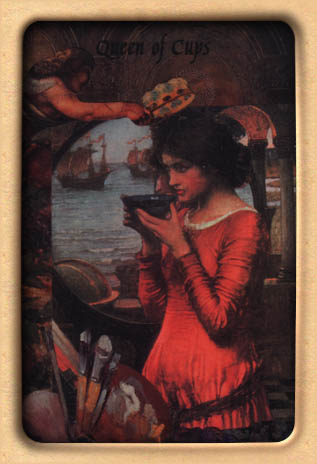
“the Queen encourages a moderate approach to intuition and wisdom. The heart may see farther, but sometimes you will have to look at things with your eyes.” – James Rioux
10:43p COUNTRY NIGHT CLIPBOARD
January 27, 2011
Artist Found: ADAM BURTON
January 19, 2011Embracing naivete is an essential part of expressing an opinion – Adam Burton
Take a Listen to an interview from Future Radio:
http://adamburton.com/platform080209.mp3

taking care of oneself / making love / talking about remedies.
January 18, 2011Observation 001 from the Committee to Remedy Things:
DREAMCATCHERS – to prevent bad dreams from visiting loved one in their sleep. Web strung to catch and misdirect any ill, disparaging or scary thoughts away from (sub)consciousness of loved one.
Directions: to misdirect bad dreams, hang above bed in a place aligned with the space where the head of loved one rests.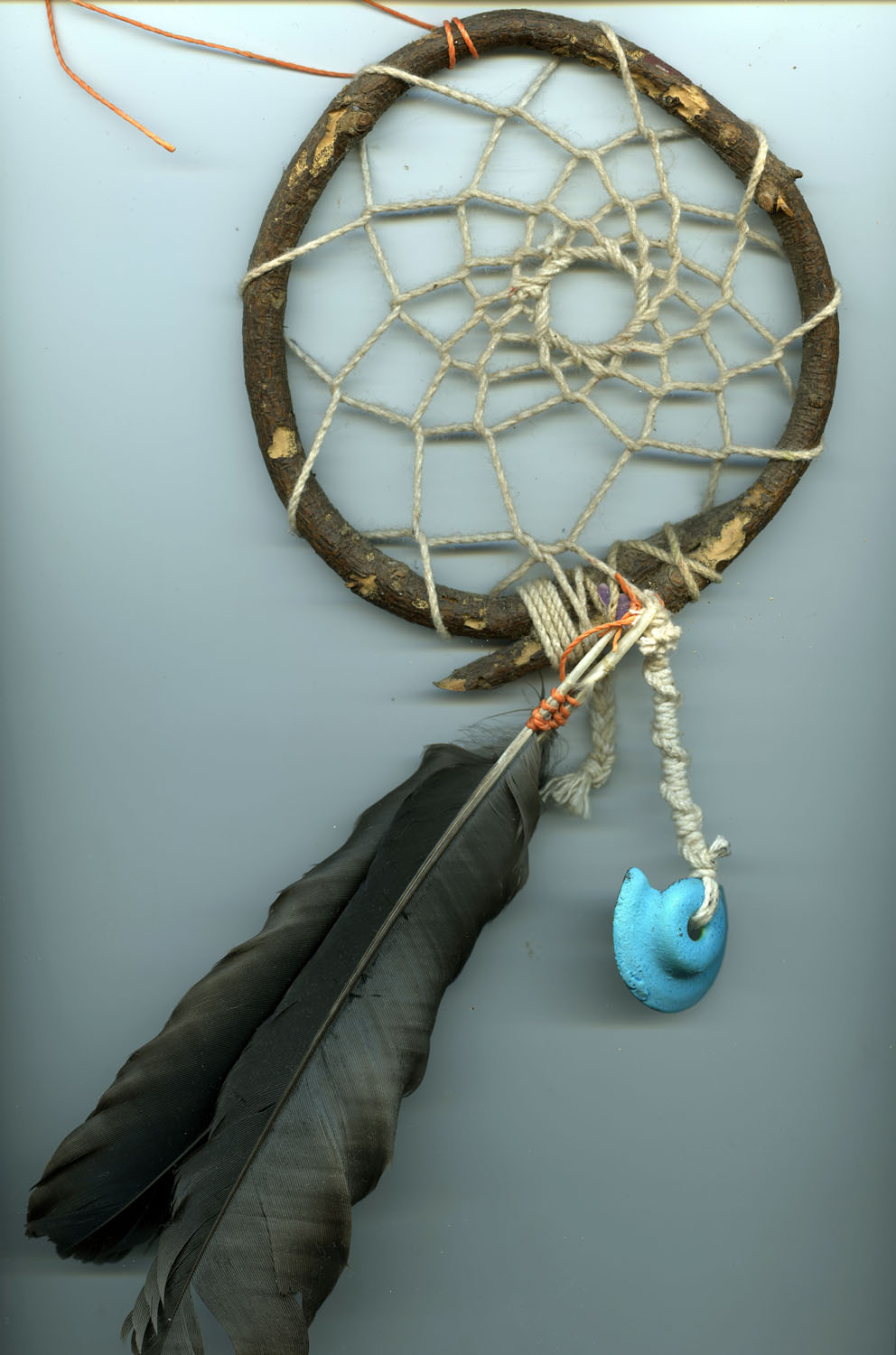
White Galactic Dog
January 17, 2011Electric Moon day 1
Year of the White Self-Existing Wizard

kin 190: White Galactic Dog
I Harmonize in order to Love
Modeling Loyalty
I seal the Process of Heart
With the Galactic tone of Integrity
I am guided by the power of Timelessness
FIND YOURS HERE: http://www.tortuga.com/eng/decode/index.php



70’s Covers
December 4, 2010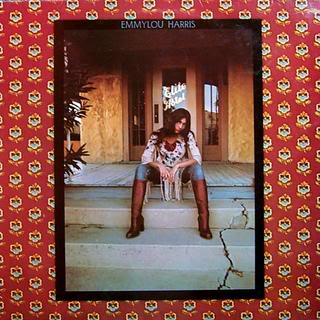
Released December 1975 – Emmylou Harris’ Elite Hotel
Wikipedia Track List/Liner Notes:
- “Amarillo” (Emmylou Harris, Rodney Crowell) – 3:05
- “Together Again” (Buck Owens) – 3:56
- “Feelin’ Single, Seein’ Double” (Wayne Kemp) – 2:34
- “Sin City” (Gram Parsons, Chris Hillman) – 3:57
- “One of These Days” (Earl Montgomery) – 3:03
- “Till I Gain Control Again” (Rodney Crowell) – 5:40
- “Here, There and Everywhere” (John Lennon, Paul McCartney) – 3:59
- “Ooh Las Vegas” (Gram Parsons, Ric Grech) – 3:47
- “Sweet Dreams” (Don Gibson) – 4:03
- “Jambalaya (On The Bayou)” (Hank Williams) – 3:05
- “Satan’s Jewel Crown” (Edgar L. Eden) – 3:13
- “Wheels” [with Jonathan Edwards] (Chris Hillman, Gram Parsons) – 3:13
Learning new songs while Chloe embroiders a moth(worm)on a hooped old Santana backdrop. Her dad used to sing this:
December 2, 2010Alison Elvis Costello
| A | E |
Oh Its so funny to be seeing you after so long girl
| A | Abm7 C#m B |
and with the way you look I understand that you are not impressed
| A | Abm7 C#m B |
but I heard you let that little friend of mine
|D | E |
take off your party dress
| A | Abm7 C#m B |
I’m not gonna get too sentimental like those
| A | Abm7 C#m B |
other sticky valentines
| A | Abm7 C#m B |
‘cause I don’t know if you are loving somebody
|D | E |
I only know it isn’t mine
Chorus
| A | E |
Alison
| A B | Abm7 C#m B |
I know this world is killing you (oh)
| A | E |
Alison
| A B | E |
My aim is true
| A | E |
Well I see you got a husband now
| A | Abm7 C#m B |
Did he leave your pretty fingers lying in the wedding cake
| A | Abm7 C#m B |
You used to hold him right in your hands
|D | E |
But he took all he took all he could take
| A | Abm7 - C#m B |
Sometimes I wish that I could stop you from talking when I
| A | Abm7 C#m B |
Hear those silly things that you say
| A | Abm7 C#m B |
I think somebody better put out the big lights
|D | E |
‘cause I cant stand to see you this way (Oh)
Chorus
| A | E |
Alison
| A B | Abm7 C#m B |
I know this world is killing you (oh)
| A | E |
Alison
|| A B | E ||
My aim is true
John Berger on Tradition, Compulsion, and Outsiders
November 20, 2010“But then one has to ask: why does he refuse the tradition? And the answer is only partly that he was born far away from that tradition. The effort necessary to begin painting or sculpting, in the social context in which he finds himself, is so great that it could well include visiting the museums. But it never does, at least at the beginning. Why? Because he knows already that his own lived experience which is forcing him to make art has no place in tradition. How does he know this with out visiting the museums? He knows it because his whole experience is one of being excluded from the exercise of power in his society, and he realises from the compulsion he now feels, that art too has a kind of power. The will of primitives derives from faith in their own experience and a profound scepticism about society as they have found it.
I hope I have now made clearer why the “clumsiness” of primitive art is the precondition of its eloquence. What it is saying could never be said with any ready-made skills. For what it is saying was never meant, according to the cultural class system, to be said.”
1976
“About Looking” p. 68
John Berger


